Create a top-tier dark epic concept poster / cinematic infographic poster around [Theme]. Automatically adapt the core subject, supporting structure, enclosed epic environment, top opening and single strong light source, symbolic elements, color system, material mix, title, subtitle, supporting copy, layout, and narrative mood to fit the theme. Keep the result like a real high-budget 1990s Hollywood epic movie poster, combining cinematic matte painting, ultra-real photographic texture, extreme chiaroscuro, heavy spatial storytelling, dark heroism, and ritual composition.
Lock the poster to this structure: a huge oppressive dark enclosed space; one strong diagonal shaft of volumetric light entering from above as the first visual order; the core subject and support structure near the center-right or at the endpoint of the beam; a dense title and information anchor in the lower left; and large areas of pure black or near-black negative space around the edges for cinematic breathing room.
Let [Theme] drive the visual system. Dark heroism, revenge, justice, loneliness, or destiny should lean toward a stone throne, solitary figure, cold divine light, ruins, or cave-like space. Mystery, ghosts, stealth, phantoms, or night movement should lean toward moonlight, mist, cold-blue volumetric light, and abyssal darkness. Power, rule, kingship, or order should emphasize a throne, altar, crown-like symbol, or ritual space. Technology, AI, the future, or machinery should transform the throne and environment into a mechanical divine seat, energy base, metal cavern, or industrial temple. Product, brand, or object themes should turn the core into a suitable hero object while preserving the same judgment-by-light epic composition.
Use an extremely dark base, one concentrated main light, and only a small amount of theme accent color. Build clear visual hierarchy with diagonal tension and center-focused guidance. The visual weight should fall from the overhead light onto the core subject, as if it is being illuminated by fate, judgment, divinity, or power. Edges must dissolve naturally into darkness, and every element must serve one narrative core.
Use no outlines and no flat graphic strokes. Build the image through volumetric light, cut shadows, reflections, highlights, mist, dust, wet stone, metal, fabric, ancient carved surfaces, or other realistic materials. The beam must have a strong Tyndall effect with believable density and weight.
Typography should be 80% visual / 20% text. Generate a short powerful main title, subtitle, and lower information block that fit [Theme]. Chinese, English, or bilingual title treatment is acceptable if unified. The main title may align vertically with the light beam, as if made from the light itself. Put a dense lower-left module with subtitle, small explanatory copy, credit-style placeholder text, brand copy, or event information. Text must feel sharp, clean, and embedded in the environment, not floating cheaply.
Keep exactly three modules: MOD 1 TOP-TO-CENTER BEAM, a huge volumetric light column cutting diagonally from the top opening and carrying the main title or visual text; MOD 2 CENTER-RIGHT CORE, the core subject and support structure at the beam endpoint as the poster's power, fate, or narrative center; MOD 3 BOTTOM-LEFT TEXT, a dense typesetting area inside the negative space with subtitle, explanatory copy, credit-style information, brand information, or event information.
Naturally add the small author signature @a9quant in a bottom corner. Keep it clear, refined, restrained, and secondary. Output one unified 9:16 poster with dark epic pressure, ritual power, destiny mood, cinematic finish, maximum detail density, ultra-clear print-grade quality, and a premium finished-poster feel.

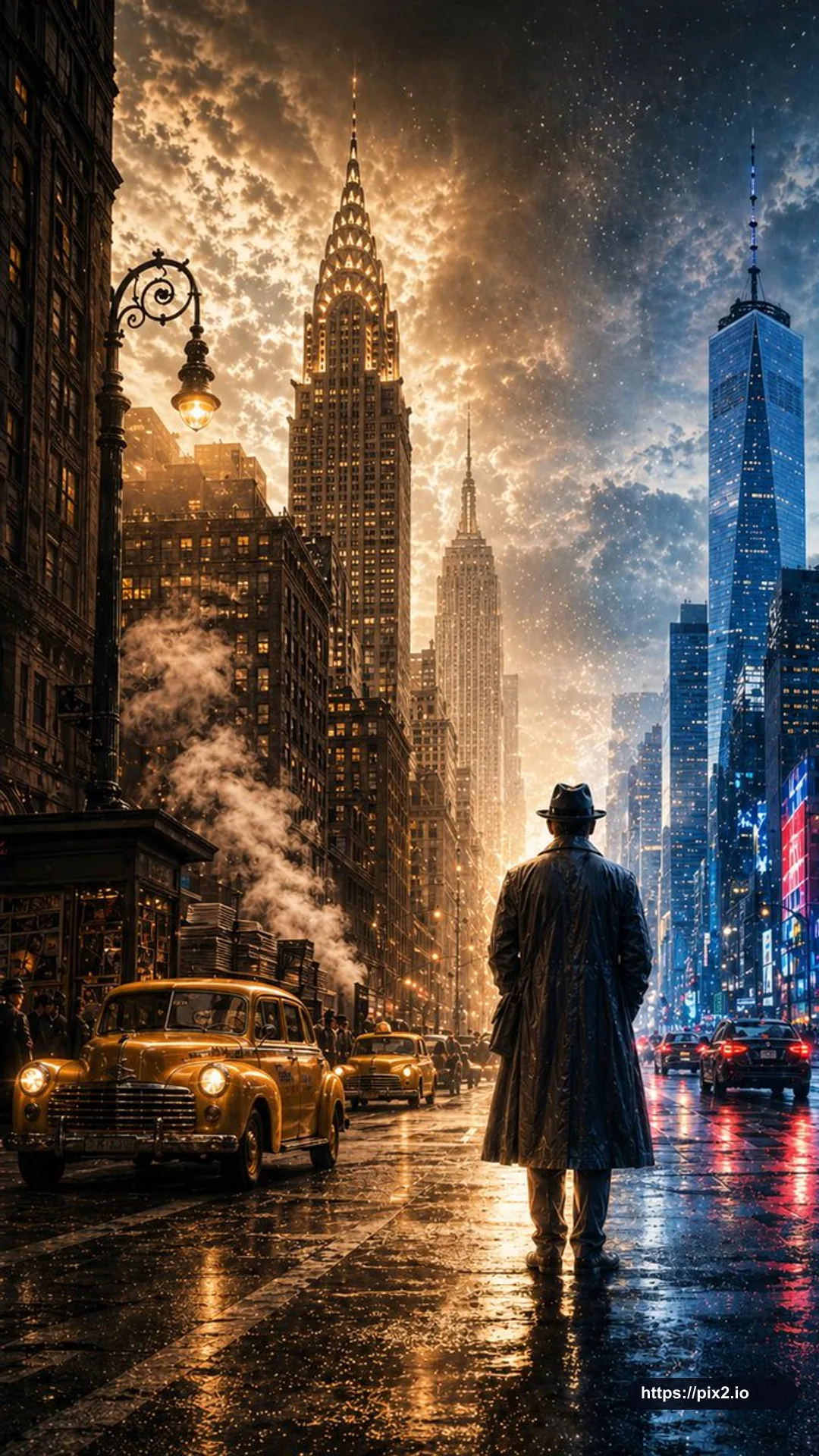
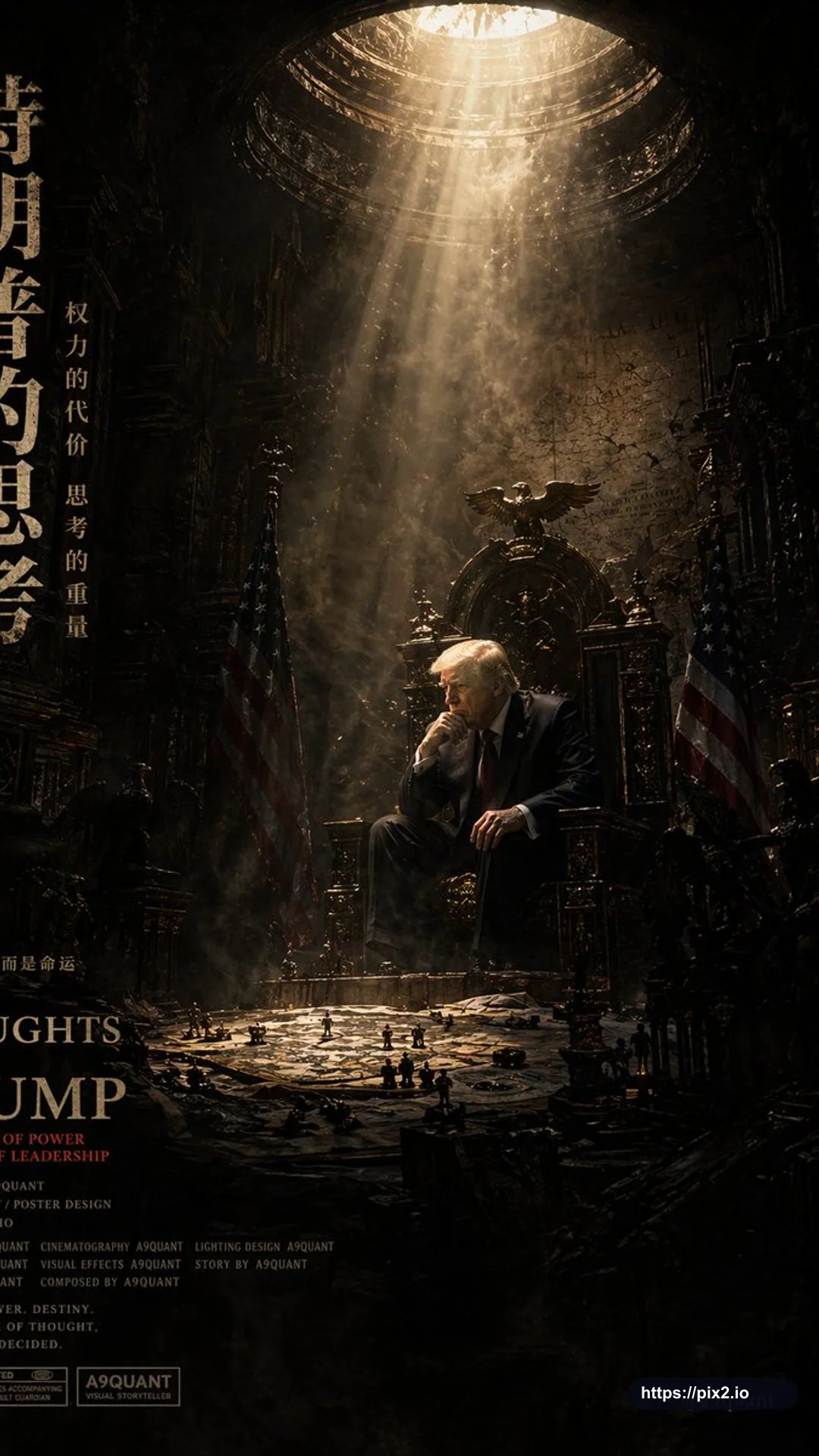 9:16 ・ 4K