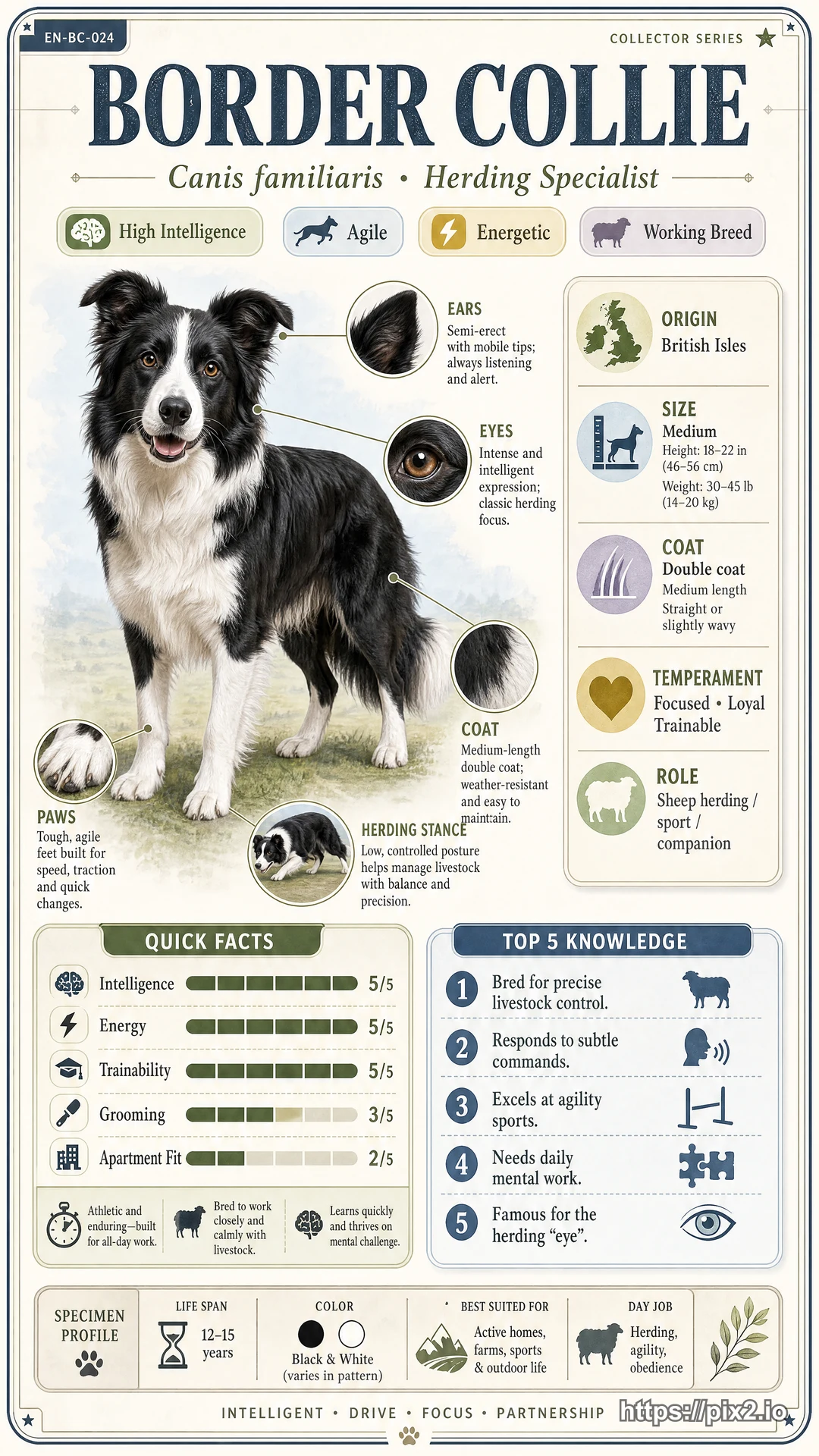
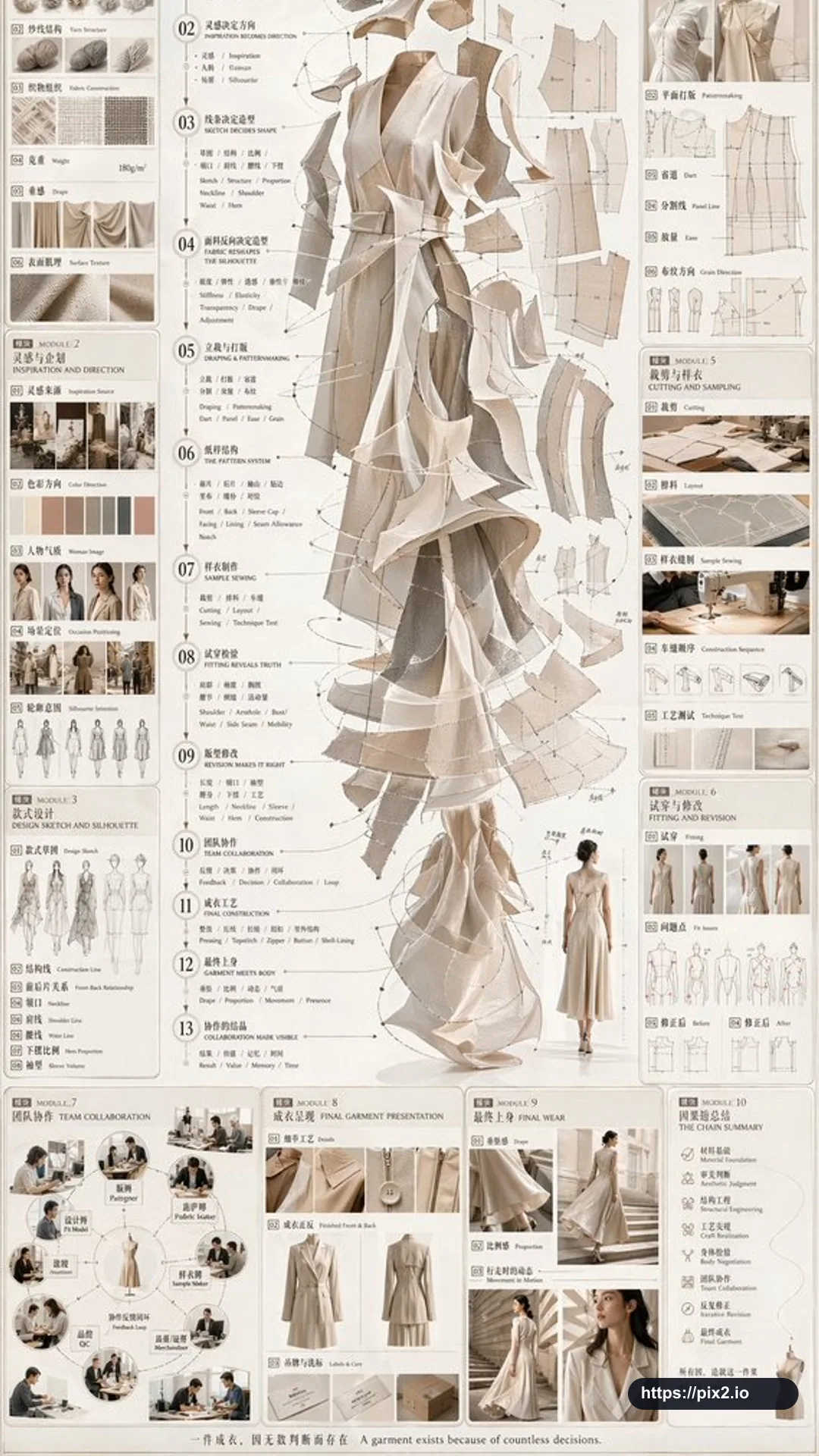
Create a high-quality vertical 9:16 popular-science encyclopedia infographic about [Topic]. This should not look like a normal poster or a simple illustration; it should feel like a modular science knowledge card with specimen-guide, encyclopedia-page, structured information, and collectible reference value. The visual style should combine premium natural-history plates, modern encyclopedia pages, lifestyle knowledge cards, and social-media-friendly infographic design. Include a clear and attractive main visual for the topic, several enlarged detail callouts, multiple rounded modular information sections, clear title hierarchy and key labels, concise but information-rich encyclopedia text, visual ratings, summary points, or a Top 5 module. Adapt the content columns automatically to the topic, choosing and combining relevant sections such as basic profile, classification, appearance traits, behavior or ecology, formation mechanism or structure, growth or usage conditions, care or maintenance advice, risks and precautions, suitable users or scenarios, pros and cons comparison, and quick rating cards. Use a clean light background, soft colors, subtle shadows, refined small icons, rounded information boxes, and a neat airy layout. The information density should be rich but not crowded, with comfortable reading flow. The final result should look like a real publishable, readable, collectible, repeatable science encyclopedia card series, not a heavy commercial advertisement. Emphasize knowledge organization, modular information, and specimen-guide presentation. For medical, health, legal, or financial topics, present neutral educational information only and avoid diagnosis, treatment promises, guaranteed outcomes, or professional-advice claims. Avoid real brand logos, private information, extra watermarks, unreadable text, factual overclaims, misleading icons, cluttered layout, cropped key content, and low-resolution artifacts.

 9:16 ・ 4K